

Bead Mill After-Sales Technical Support: What to Expect From a Reliable Manufacturer

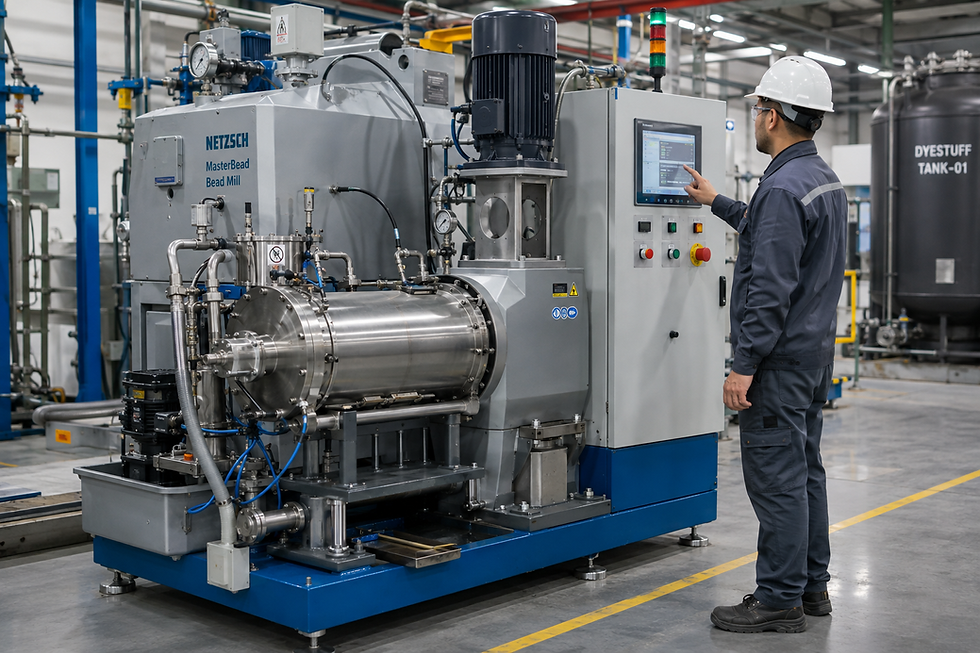
"Full technical support" appears on almost every bead mill manufacturer's website. It rarely means the same thing twice. Before you sign a purchase order, it's worth understanding exactly what that phrase should translate to — in writing, in response times, and in what happens when a machine actually goes down mid-batch.
The Three Phases of Support: Warranty, Response Time, and Long-Term Service
After-sales support isn't a single feature — it's three separate commitments that a supplier makes at different points in the machine's life: what's covered under warranty, how fast they respond when something breaks, and what ongoing service looks like once the warranty period ends. Buyers who only ask about warranty length miss the other two entirely, and those are usually the ones that matter more once the machine is actually running.
Understanding Your Warranty Terms Before You Sign
What's Typically Covered
A standard bead mill warranty covers manufacturing defects in the drive motor, chamber, and control system for a defined period — commonly 12 to 24 months. Some suppliers extend coverage on the motor separately, since it's often the highest-value single component.
What's Usually Excluded
Wear parts — seals, liners, grinding discs, screens — are consumables and are almost never covered under warranty, regardless of how long the warranty term runs. Damage from incorrect bead loading, running the mill dry, or processing materials outside the specified viscosity range also typically voids coverage. Get the exclusion list in writing; a warranty that sounds generous on the cover page can be narrow once you read the fine print.
Response Time Benchmarks: What "Good" Support Actually Looks Like
First-Response Time
This is how long it takes a real technician — not an automated reply — to acknowledge your issue. Anything under 24 hours during business days is reasonable for standard issues; a supplier offering same-day response for production-stopping failures is worth paying attention to.
Resolution Time for Common Issues
Most day-to-day problems — fineness drift, unusual vibration, seal leaks — should be diagnosable and resolvable within one to three business days through remote troubleshooting. If a supplier can't give you a general resolution window when you ask, that's usually because they don't track it internally, which tells you something about how support requests are handled.
Escalation Path for Complex Failures
For issues remote diagnostics can't resolve, ask exactly what happens next: does a technician travel on-site, is there a regional partner who can be dispatched, and who absorbs travel cost if the failure is a manufacturing defect versus normal wear.
Remote Monitoring and Diagnostics: The New Standard

More suppliers now offer connected monitoring — sensors on the mill reporting temperature, vibration, and motor load to a dashboard the support team can access remotely. This shortens diagnosis time significantly, since a technician can often identify a bearing or seal issue from data trends before it causes unplanned downtime, rather than waiting for a fault report from the operator. If this is offered, ask whether it's included or a paid add-on, and what data the system actually tracks.
Regional Service Networks vs. Centralized Support

Suppliers generally take one of two approaches: a centralized technical team handling all support remotely regardless of your location, or a network of regional partners and technicians who can be dispatched locally. Centralized support tends to be faster for diagnosis but slower for any issue requiring hands-on work; a regional network trades some consistency for faster physical response. Neither model is inherently better — the right one depends on how far you are from the manufacturer and how critical uptime is to your operation.
Certification and Training Programs for Your Operators
Some manufacturers offer structured certification for operators and maintenance staff — beyond a one-time commissioning walkthrough — including refresher sessions and troubleshooting workshops. This matters most for facilities with staff turnover, where the person trained at installation may not be the person running the mill a year later. Ask whether training materials or refresher sessions are available on an ongoing basis, not just at delivery.
Case Walkthrough: A Typical Support Ticket From Start to Finish
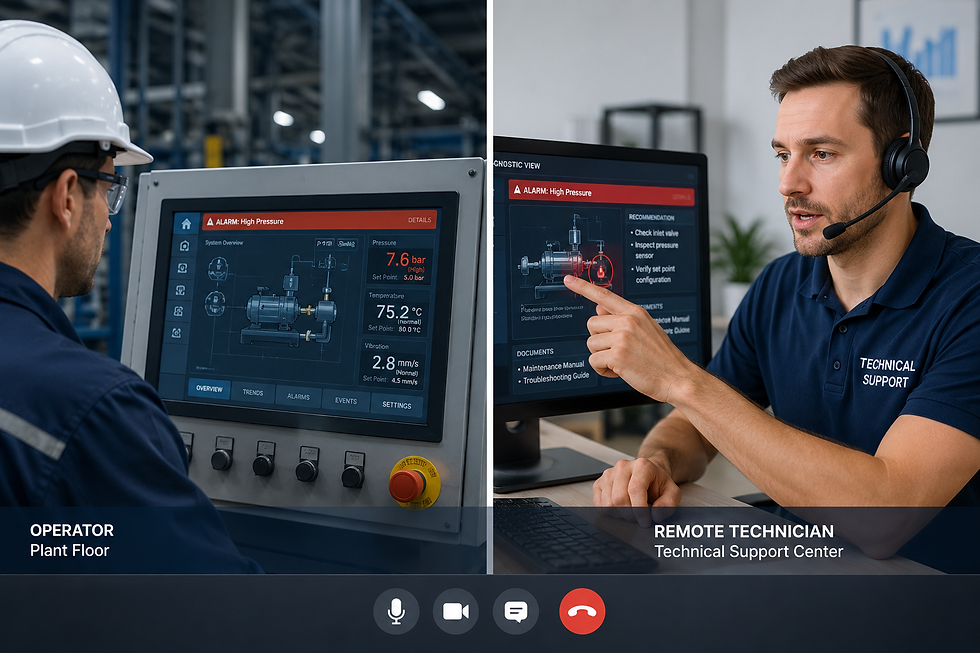
A useful way to evaluate a supplier is to ask them to walk you through an actual example: an operator notices fineness readings drifting outside spec. They contact support, describe symptoms, and share recent process data. A technician reviews it remotely and identifies bead wear as the likely cause, walking the operator through a bead condition check on a video call. If that resolves it, the ticket closes within a day. If not, the technician escalates to a site visit or ships a replacement part, depending on the diagnosis. Suppliers who can describe this process concretely, with real timeframes, are far more credible than those who simply say "we offer full support."
Building Support Terms Into Your Contract
Verbal assurances during the sales process don't hold up when a support issue actually arises. Before finalizing a purchase, get the following written into the contract or a service annex: warranty duration and exclusions, target first-response and resolution times, what's included at no cost versus billed separately, and the escalation process for issues remote support can't resolve.
Frequently Asked Questions
What does "after-sales technical support" typically cover for a bead mill?
t generally includes installation/commissioning assistance, operator training, spare parts supply, and ongoing troubleshooting for the operating life of the machine.
How long should spare parts take to arrive?
This varies by region and part, but a supplier with a stocked parts program should quote a specific lead time — not "as soon as possible." Ask for a number.
Is remote support as effective as on-site support?
For most fineness, seal, or startup issues, video-based remote diagnostics resolve the problem without a site visit. On-site visits are typically reserved for mechanical failures or full-line commissioning.
Should after-sales support be included in the machine price, or billed separately?
Basic commissioning and training should be included. Extended service contracts, on-site visits beyond an agreed scope, or expedited parts shipping are reasonably billed separately — but this should be clear in the quote, not discovered later.
What's a reasonable warranty length for a bead mill?
12 to 24 months on the core machine is standard industry practice, with wear parts typically excluded regardless of the warranty term.
Should remote diagnostics be free or a paid service?
Basic remote troubleshooting for warranty-period issues is usually included. Ongoing connected-monitoring subscriptions after the warranty period vary by supplier and should be clarified upfront.
How do I evaluate a supplier's actual response time before buying?
Ask for it in writing, and separately ask to speak with an existing customer about their real experience — stated targets and actual practice don't always match.
Does a regional service network matter if I'm buying locally?
Less so — proximity to the manufacturer's own team often outweighs the benefit of a distributed partner network. It matters most for buyers in a different country or region from the manufacturer.


Comments